


 Featured Article
How Landlord and Tenant Board Hearings Work in Ontario
A practical guide to Ontario LTB applications, evidence preparation, mediation, hearings, written orders, and possible next steps.
Read the ArticleLandlord & Tenant Board Representation
Insaf Legal provides legal services through a Licensed Paralegal for eligible residential-tenancy disputes before the Ontario Landlord and Tenant Board.

Your matter receives careful attention based on the application, documents, procedural stage, and individual circumstances.

We explain the LTB process, available information, and important next steps in clear language.

Applications, notices, evidence, and hearing materials are reviewed and organized with attention to accuracy.

Services are provided for eligible Ontario Landlord and Tenant Board matters within the permitted paralegal scope.
Matters We May Assist With
Insaf Legal provides legal services through a Licensed Paralegal for eligible residential-tenancy matters before the Ontario Landlord and Tenant Board. Whether we can assist depends on LTB jurisdiction, the application or notice, procedural stage, documents, and individual circumstances.
The services and procedures available depend on the nature of the residential-tenancy dispute, LTB jurisdiction, the notices and applications involved, applicable rules, and the procedural stage.
The Ontario LTB Process

We discuss the residential-tenancy matter, review the available notices and documents, and determine whether it may fall within the permitted scope of a Licensed Paralegal.
Where retained, we review or prepare eligible application materials, organize evidence, and identify the procedural requirements relevant to the matter.

Mediation may be available for many applications if the parties agree. A neutral dispute resolution officer may help the parties explore settlement, but does not decide the case.

If the matter proceeds to a hearing, an LTB member hears the parties, considers the evidence and submissions, and determines the issues remaining in dispute.

The LTB may issue a written order setting out its decision and any obligations or remedies determined in the proceeding.

We explain the order and discuss next steps that may be available within the permitted paralegal scope, based on the decision and circumstances.
What Documents to Prepare
The information required depends on the type of application, issues in dispute, LTB directions, procedural stage, and individual circumstances. We will review what you have and explain what additional documents may be relevant.
Quick answers about eligible Ontario Landlord and Tenant Board matters.
The Ontario Landlord and Tenant Board resolves many disputes between residential landlords and tenants under the Residential Tenancies Act. Eligible matters may involve rent arrears, tenancy termination, maintenance, tenant rights, landlord conduct, services, access, compensation, or other issues within the LTB’s jurisdiction. Not every housing dispute falls within the LTB’s authority.
Yes. A Licensed Paralegal may provide legal advice, prepare documents, organize evidence, and represent landlords or tenants in eligible Ontario Landlord and Tenant Board matters within the permitted paralegal scope. Whether Insaf Legal can assist depends on the dispute, application, procedural stage, documents, and LTB jurisdiction.
An LTB adjudicator manages the hearing. The applicant presents their position, and the responding party has an opportunity to respond. The parties may present documents, call witnesses, answer questions, and make submissions. The procedure and hearing format depend on the application, tribunal directions, and circumstances.
Mediation may be available for many LTB applications if both parties agree to participate. A dispute resolution officer helps the parties explore a possible agreement but does not decide the case. If no agreement is reached, the matter may continue to a hearing.
The parties should carefully review the written order, including any obligations or dates stated in it. Possible next steps depend on the decision, applicable rules, and individual circumstances. An order does not necessarily result in automatic compliance, payment, possession, or enforcement.
No. A Licensed Paralegal cannot guarantee settlement, eviction, dismissal, compensation, payment, possession, enforcement, or any other result. The decision depends on the application, evidence, applicable law, tribunal procedure, adjudicator, and individual circumstances.
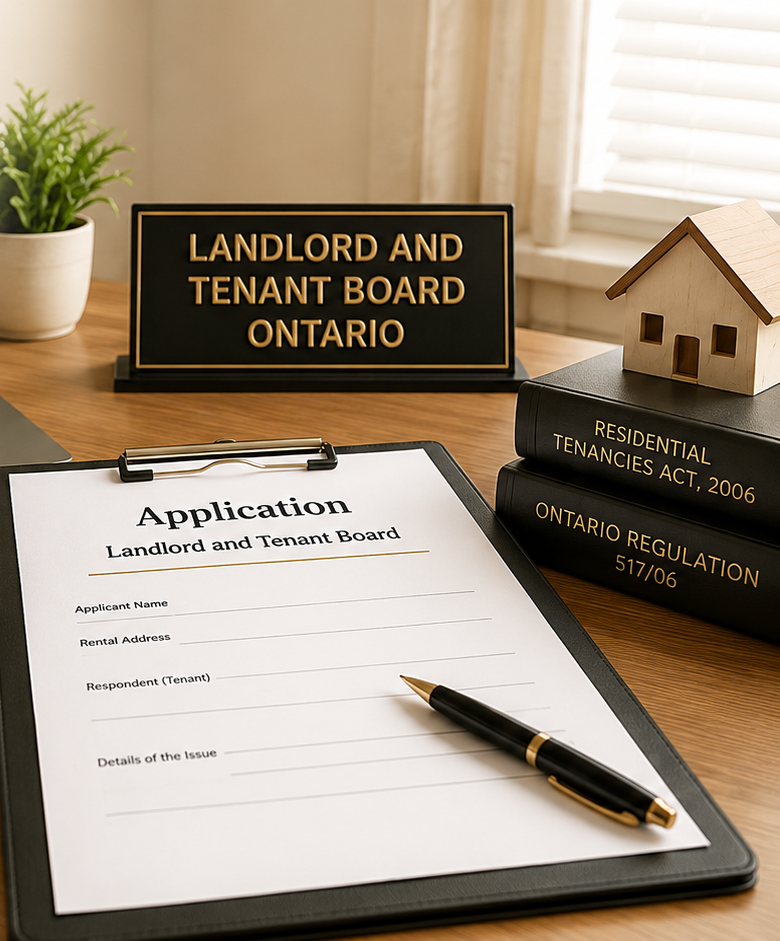 Featured Article
A practical guide to Ontario LTB applications, evidence preparation, mediation, hearings, written orders, and possible next steps.
Read the Article
Book a consultation with a Licensed Paralegal to discuss the application, notices, documents, procedural stage, and possible next steps.
